
Understanding the Markets Behind the Trade
MARKET INSIGHTS
Markets Change. Understanding What Drives Them Creates Opportunity.
Commodity markets are shaped by constantly changing supply and demand, pricing, production, trade flows, geopolitics, regulation, and logistics. Our focus is to understand these developments and consider what they may mean for the markets and trading opportunities in which we operate.
Reading the Market
We look beyond individual market movements to understand the broader forces influencing commodity supply and demand. Production trends, consumption patterns, inventories, trade flows, freight conditions, regulatory developments, and geopolitical events can all affect how commodities move between producing and consuming markets.
Turning Information Into Insight
Market information becomes valuable when it helps improve commercial judgement. We bring together developments across markets with observations from our trading relationships and commercial activity to develop a practical perspective on changing conditions. This helps us identify areas that warrant attention and evaluate opportunities with greater context.

WHAT WE WATCH
The Forces Shaping Supply, Demand and Global Trade.
Supply & Demand
We monitor changes in production, consumption, inventories, refinery activity, exports, imports, and regional supply availability. These fundamentals can influence product availability, pricing, trade flows, and the attractiveness of different markets. Understanding where supply is tightening or demand is strengthening helps us identify areas that may warrant closer commercial attention.
Trade Flows & Logistics
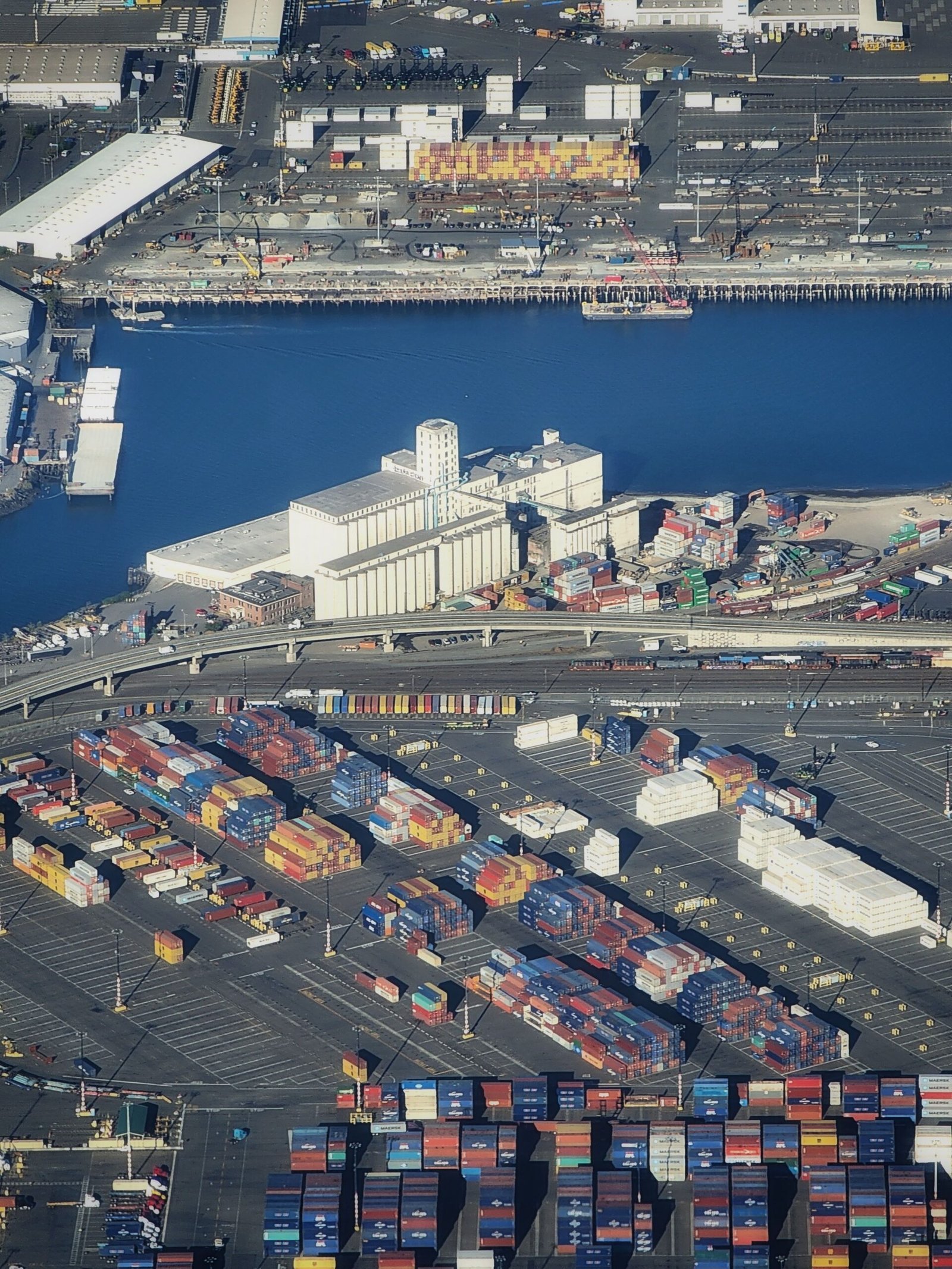
The movement of commodities across borders is influenced by shipping availability, freight costs, port infrastructure, trade routes, and changing flows between producing and consuming regions. We consider these factors when evaluating opportunities because the economics of a trade depend not only on the product itself, but also on how efficiently it can move from origin to destination.
Geopolitical & Regulatory Developments
Government policies, sanctions, tariffs, regulations, conflicts, diplomatic developments, and changes in energy policy can materially influence commodity markets. We monitor relevant developments to understand how they may affect supply, demand, market access, counterparties, and trading conditions across the markets in which we operate.
Market Opportunities
The purpose of market intelligence is ultimately commercial. We look for situations where changing market conditions may create an imbalance between supply and demand or open new trading possibilities. These observations help guide our focus toward opportunities that have a genuine commercial basis rather than reacting to every market development.